One sentence in.
Many worlds out.
Your agent decides how each page should be — density, device, material — then renders every slide as one designed image.
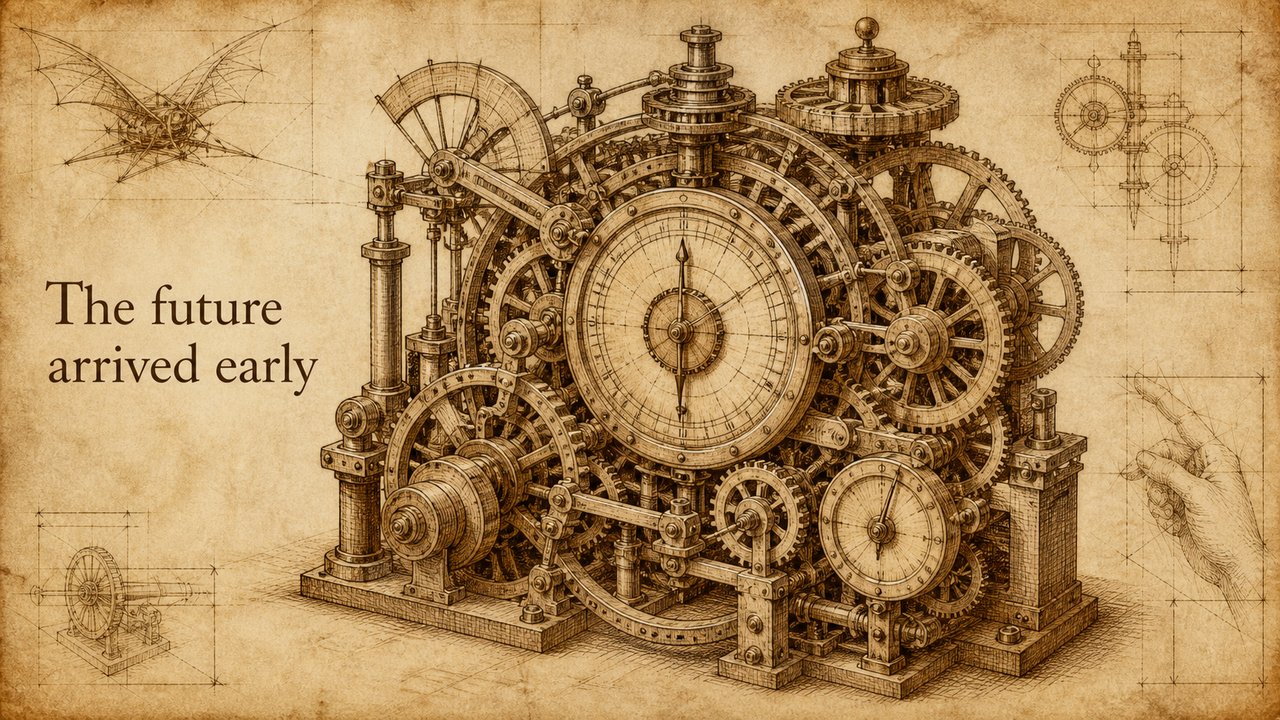
PPT-Zen makes full-image PPT decks with your AI: every page is one designed image, not a text-box template. You say one sentence; it decides how much each page holds, what it looks like and in which material, then assembles the finished .pptx.
Judgment, not generation
Every AI PPT tool turns content into pages. PPT-Zen open-sources the part nobody else does: for each page — how much should it hold, what should it look like, and on what grounds? The finished deck is copyable; the chain of decisions is not.
How it works
You bring an agent and an image model. The skill brings the judgment.
One command per runtime — Claude Code, Codex, Cursor, Windsurf, Hermes, OpenClaw.
./install.sh auto # detects your runtimes; or: claude / hermes / ... --global
In your agent:
"Make me a 10-page pitch deck
 about <project>, Portolan style."
Plan → one image per page → proofread → assembled .pptx.
python3 scripts/assemble_pptx.py \
  slides/ deck.pptx
Proof — a full deck, judged page by page
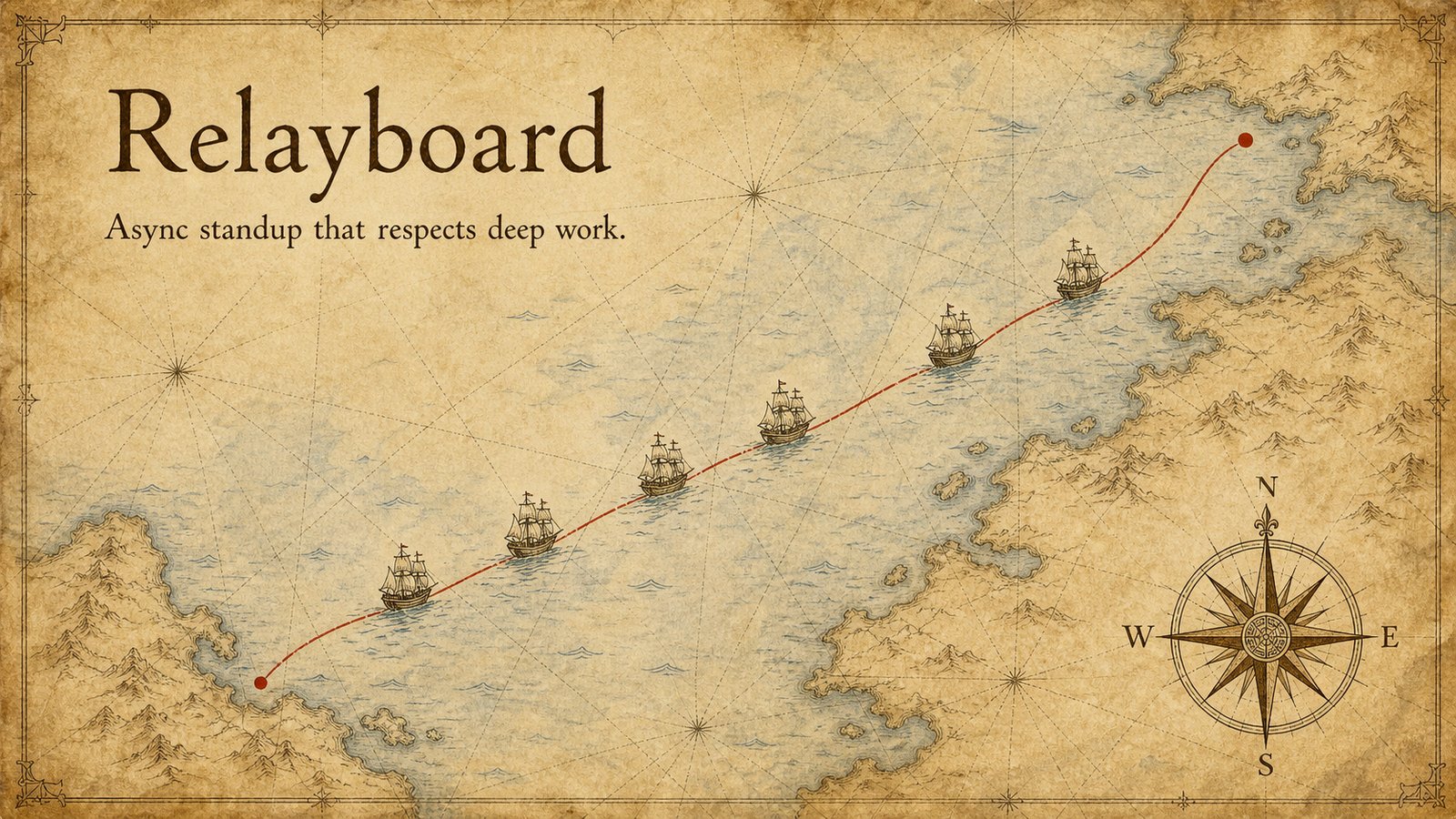
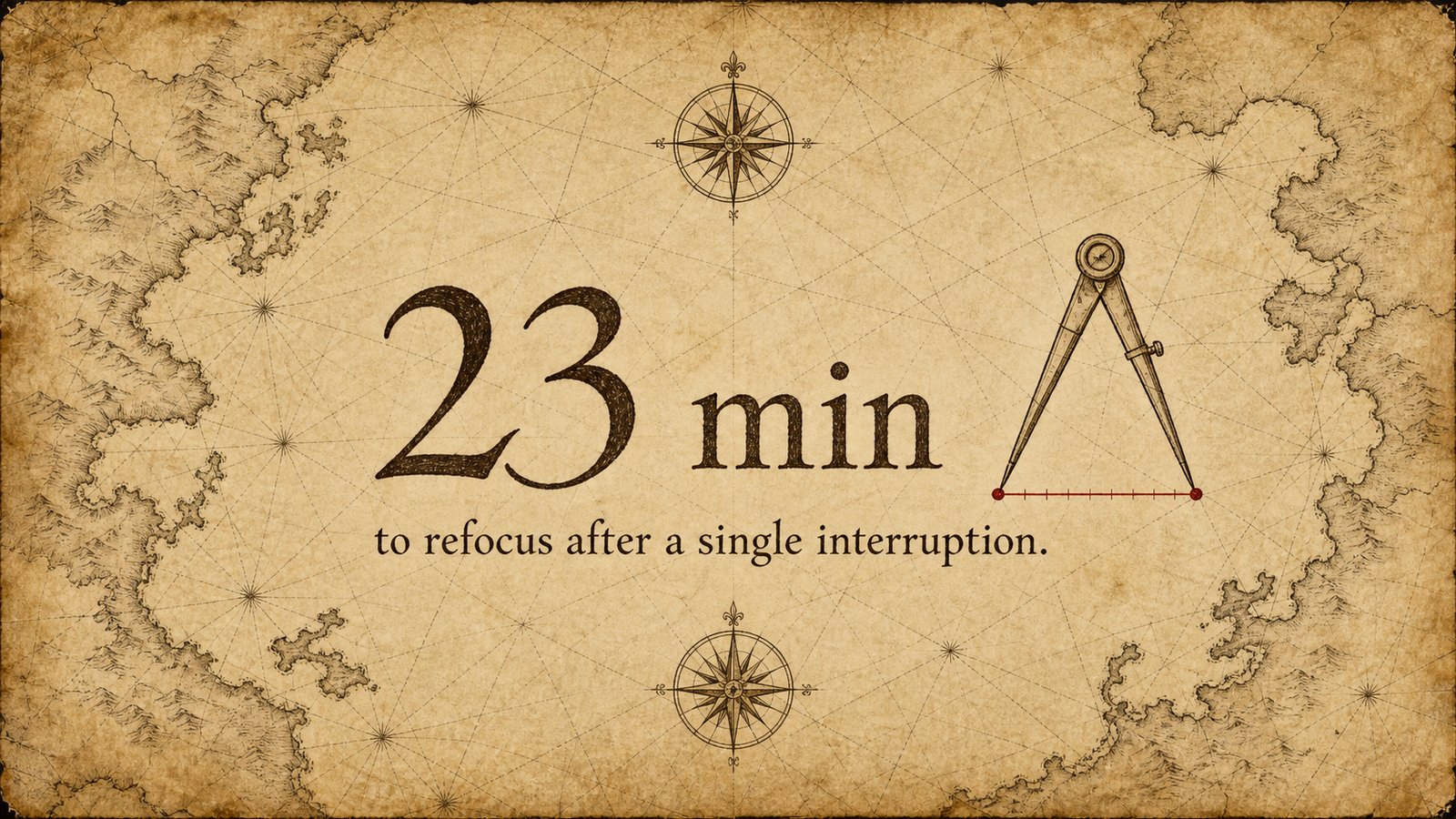
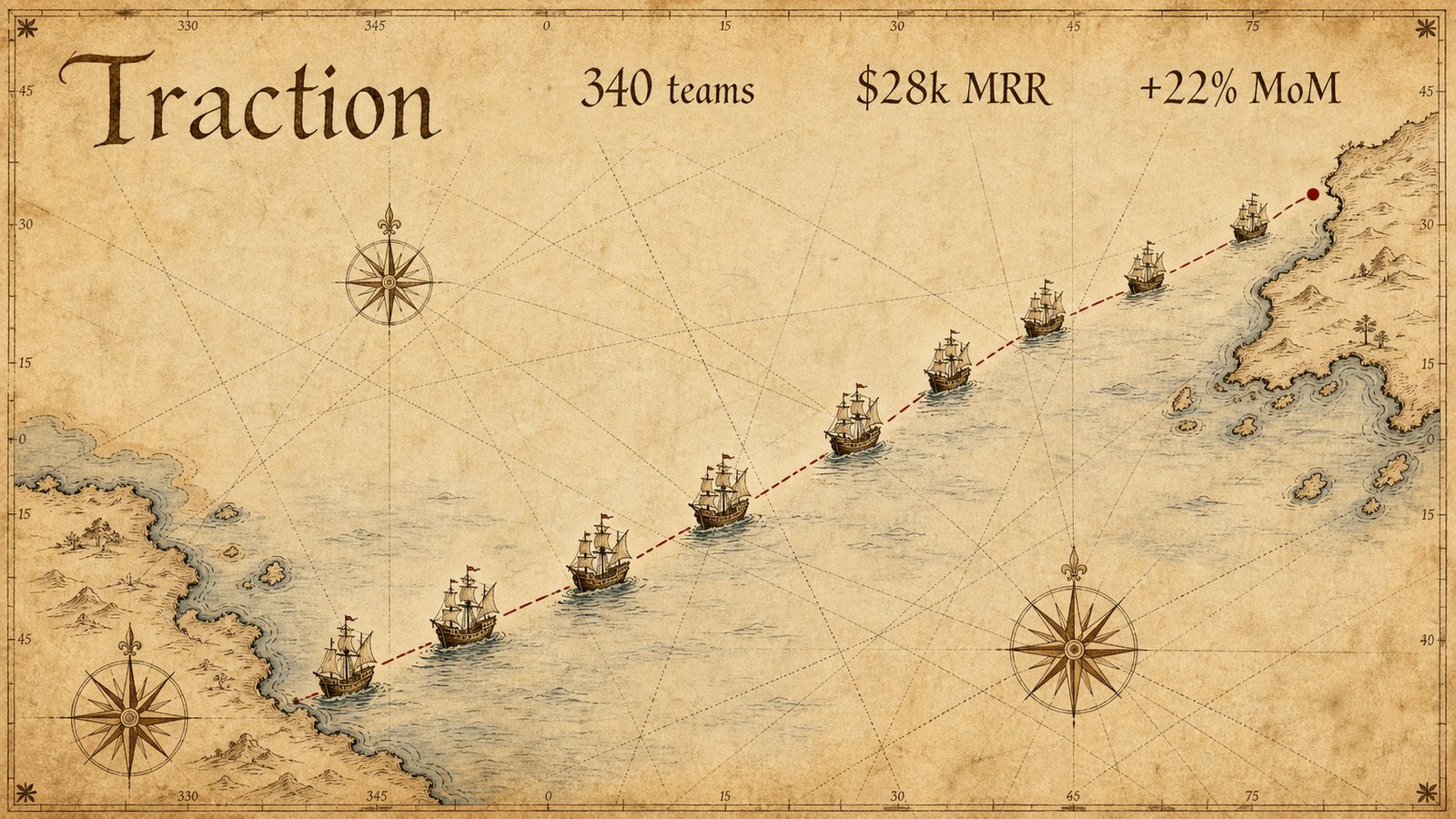
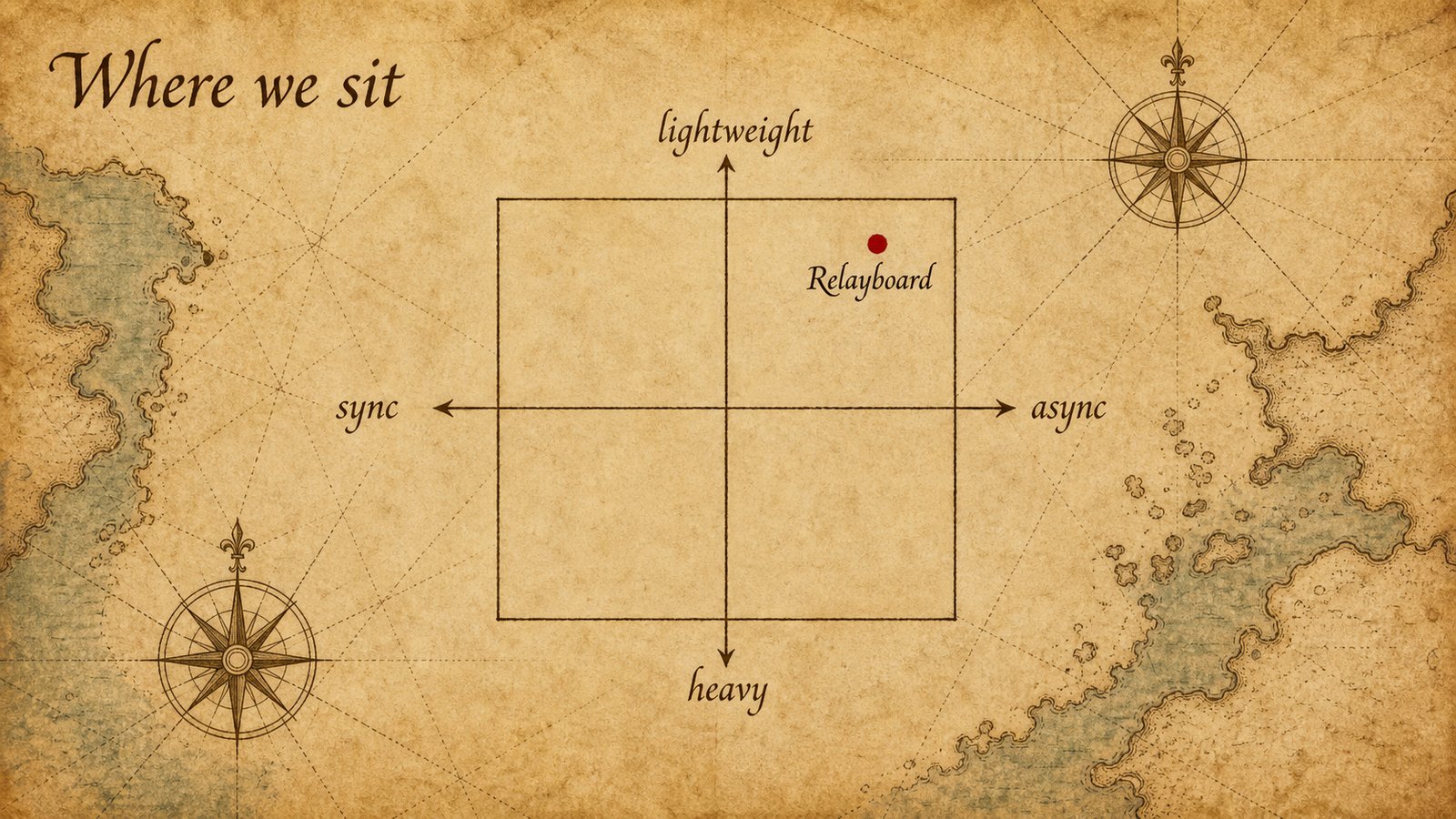
Relayboard: a fictional 10-page pitch generated from one sentence, in one material — with the judgment log for every page. The finished deck.pptx and all ten JPGs ship in the repo under examples/ — clone and open them, no key needed.
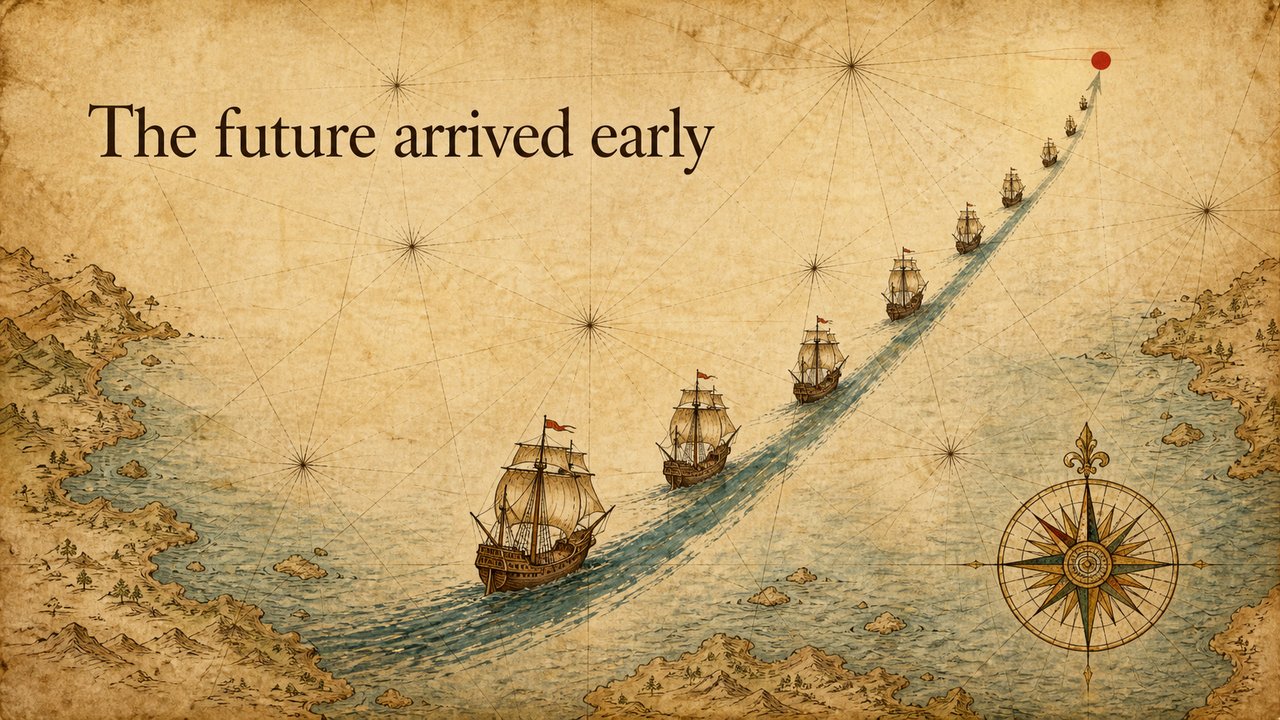
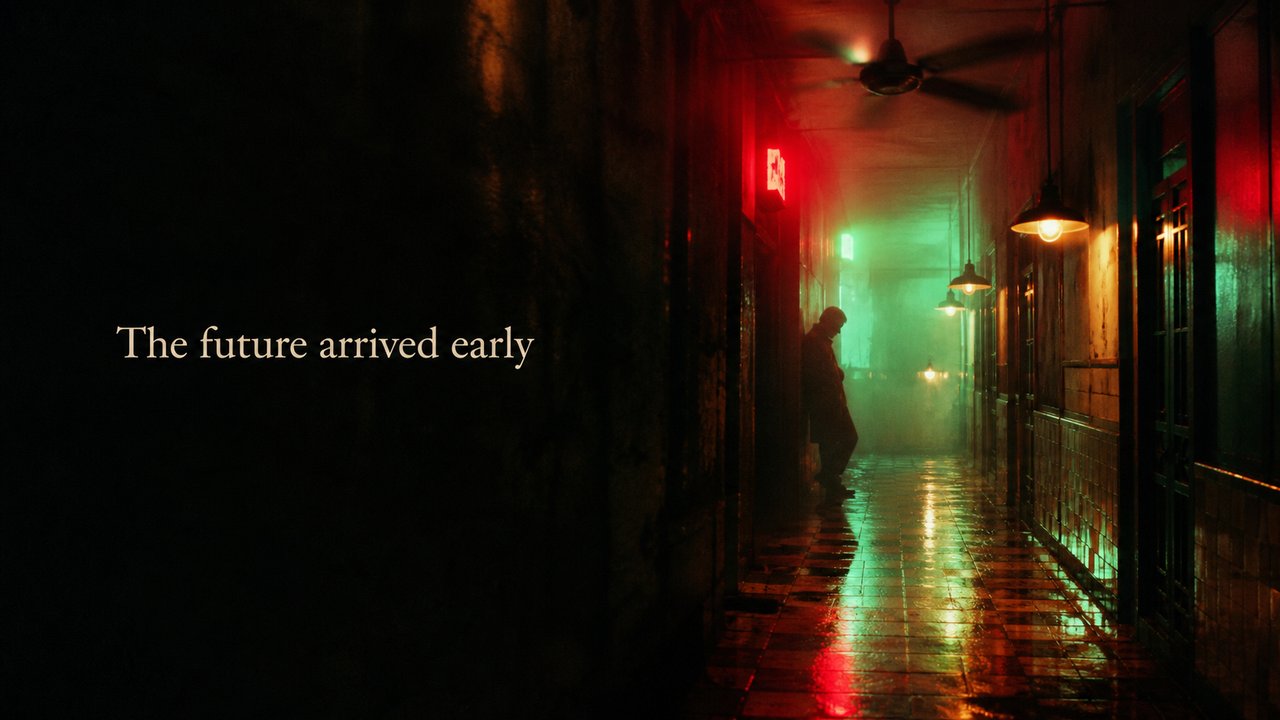
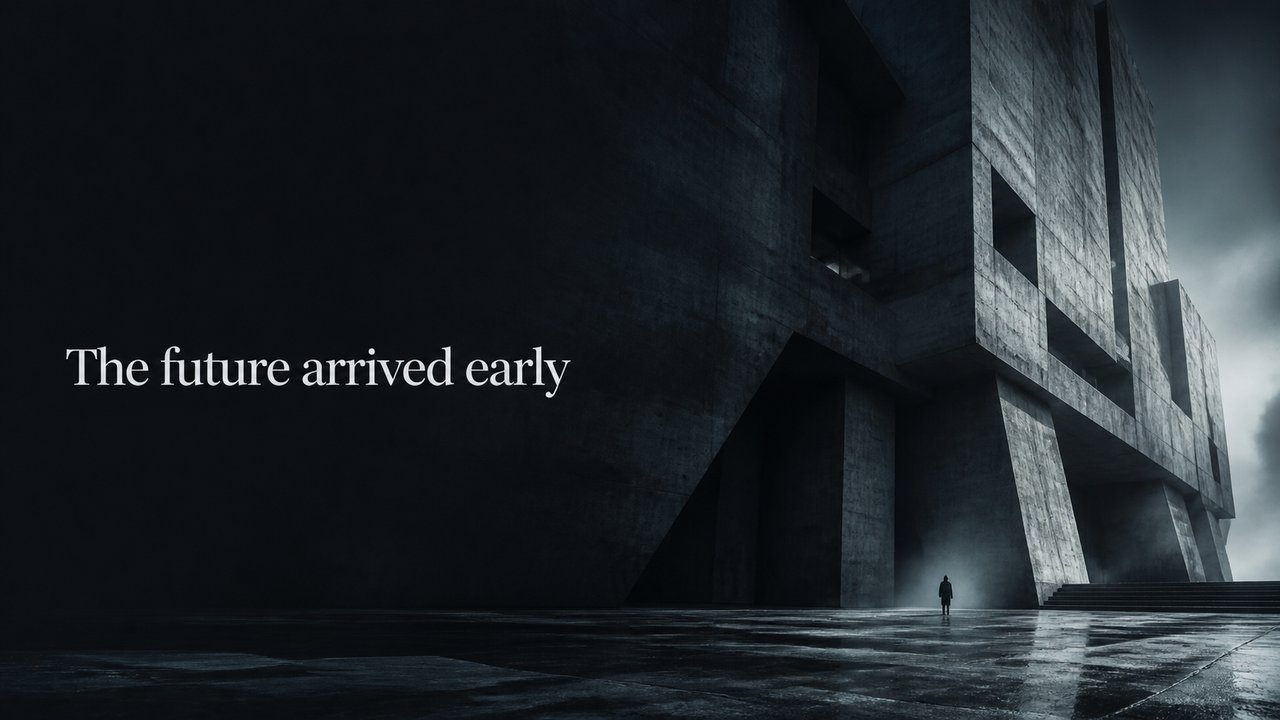
45 materials, one line each
Every style ships a reproducible prompt formula. Contribute your own with a folder and a PR.

Install
One command per runtime. The repo is the product — the site just shows you around.
git clone https://github.com/rocsgh/ppt-zen
cd ppt-zen && ./install.sh auto   # detects your runtimes; or: claude / hermes / ... --global